En
En  Sv
SvWhich batteries should I buy?
Lead-acid batteries
From an economic standpoint, you should get the most ampere-hours per krona with standard marine or leisure batteries from well-known manufacturers such as Exide, Varta, and Global. They are typically 75–80 Ah. If you buy larger lead-acid batteries, they are more expensive per ampere-hour; in addition, they are much heavier and more cumbersome to get down into the boat.
Gel & AGM batteries
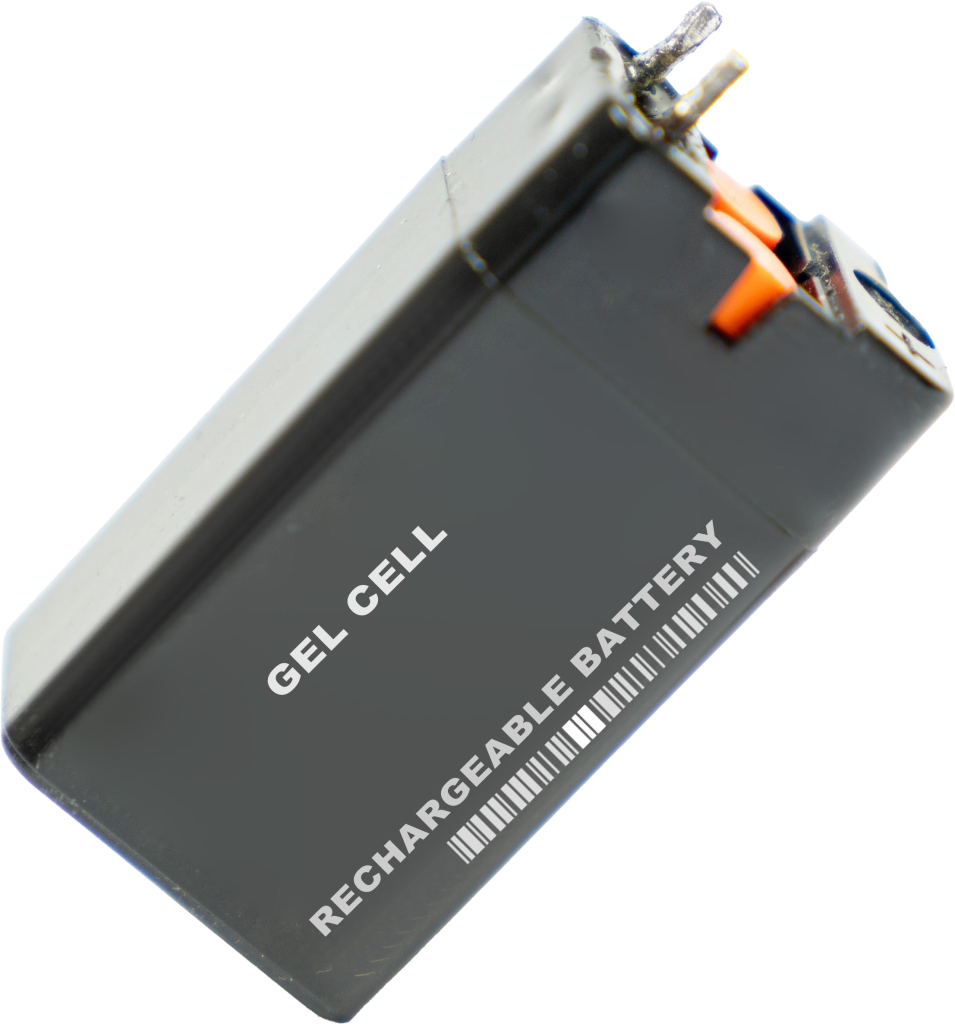
Gel and AGM batteries can withstand even deeper discharges and more cycles, but they are more expensive batteries. However, you get more Wh (watt-hours) out of such a battery. So the cost per usable Wh does not become much higher; in some cases it can even be cheaper with an AGM or gel battery.
Lithium batteries
Lithium batteries are a given in your mobile phone and are slowly but surely making their way into vehicles. If you are looking at special lead-acid batteries, you should consider getting lithium batteries. The price difference is smaller than before, and the quality of lithium batteries is now really good.
There are different types of lithium batteries.
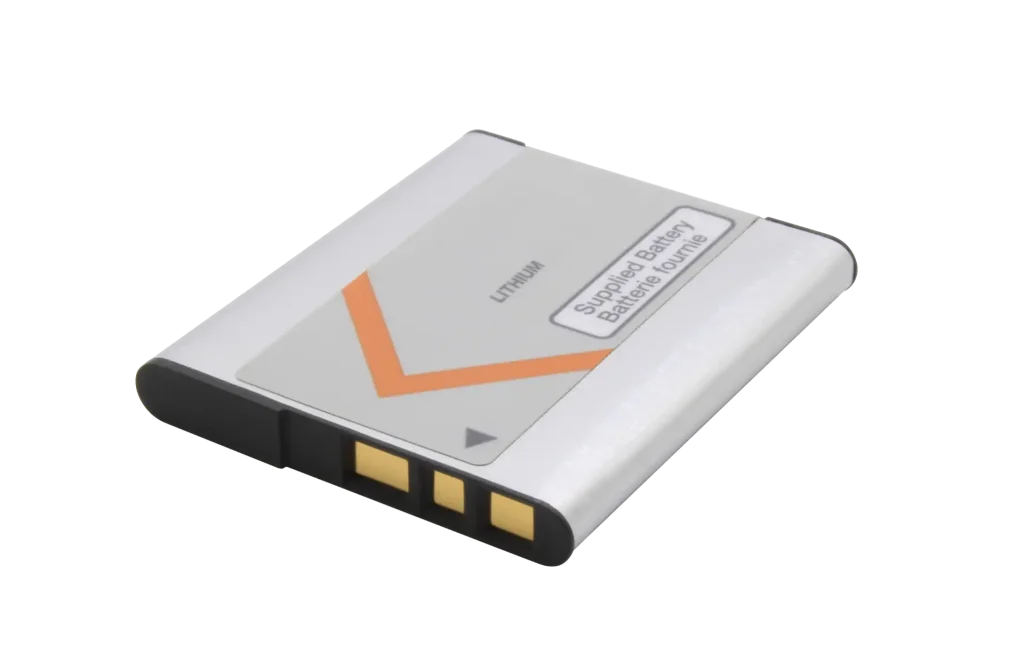
Lithium polymer batteries are what you find in mobile phones. They are expensive, have high capacity, and are suitable for small, compact batteries.
Lithium-ion batteries are found in, for example, power tools. They require constant monitoring, as overheating can lead to explosive collapses.
The third type is lithium iron phosphate batteries. They have slightly lower energy density than the other two, but in return are more chemically stable. These are the ones best suited for use in boats, motorhomes, caravans, etc.